 alice gray
11 months ago in Technology & IT Services
alice gray
11 months ago in Technology & IT Services
Sosial Bookmarking Side med Høy Autoritet for Norsk SEO i 2026 - A2Bookmarks Norge
A2Bookmarks Norge er den ledende social bookmarking site i Norge, skreddersydd for norske brukeres behov. Denne sosiale bookmarking site for Norge lar deg enkelt lagre, organisere og dele dine favoritt-nettsteder og lenker med et brukervennlig grensesnitt. Enten du er en bedrift som ønsker å øke din online synlighet i det norske markedet, eller en privatperson som søker en bedre måte å administrere dine viktigste nettesider på, tilbyr A2Bookmarks de verktøyene du trenger. Øk autoriteten til din nettside og forbedre søkemotoroptimaliseringen din ved å bygge relevante tilbakekoblinger gjennom vårt norske bookmarking-nettverk. Som en av de beste norske social bookmarking sites for 2026, inviterer vi deg til å bli med i det voksende fellesskapet, oppdage nyttig innhold fra hele Norge, og forsterke din digitale tilstedeværelse med Norges fremste plattform for sosiale bokmerker. Utforsk de viktigste social bookmarking sites i det norske markedet for optimal SEO-ytelse.
The Business Value of iSeries Modernization in a Cloud-First World damcogroup.com
alice gray
11 months ago in Technology & IT Services
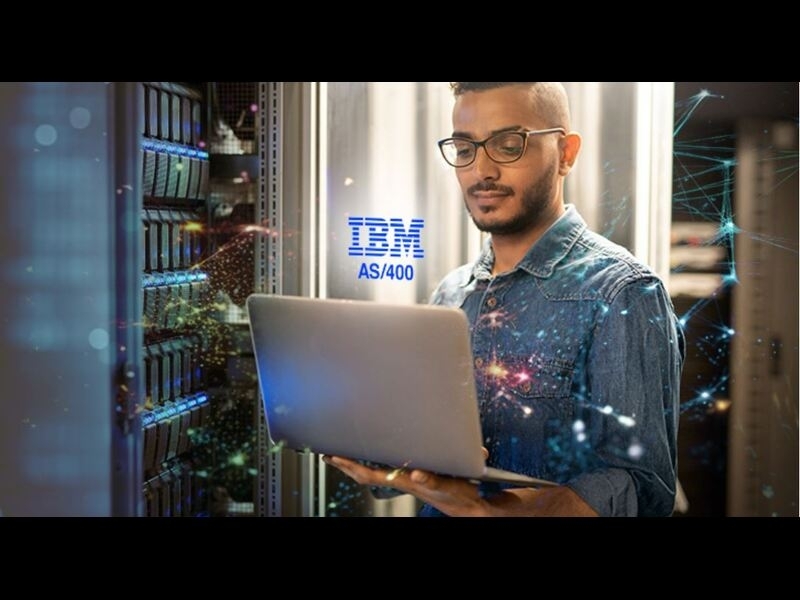
iSeries modernization is becoming important for businesses to stay competitive in today’s world. Legacy systems have difficulty keeping up with changing requirements. Therefore, modernizing applications has become a strategic necessity. Partnership with a skilled IBM i modernization company facilitates this transformation and promotes long-term success.
The application modernization market will reach USD 98.38 billion by 2034, with a growth rate of 16.80% between 2025 and 2034. These figures indicate the necessity to adopt modernization to fuel innovation.
Companies that upgrade their IBM iSeries environments gain major business benefits. Their customers are happier, security risks drop, business moves quickly, and employees stay longer. But many companies hit roadblocks during these upgrades. One of the key challenges they face is not having enough skilled talent for AS400 application modernization.
Businesses considering iSeries modernization services and AS400 application options should understand that modernization never really ends. IBM application modernization services can help companies manage this ongoing process while maximizing value for their investment.
Why iSeries Modernization Is a Business Imperative
Cloud-first operations now lead the business environment. This makes iSeries modernization a strategic business necessity rather than just an IT concern. Organizations that fail to adapt are confronted with significant barriers that impede their operational agility and financial stability.
Legacy System Constraints in a Cloud-First World
Monolithic architectures in traditional IBM i applications limit flexibility in today’s connected environment. These systems resist small changes and create major barriers to state-of-the-art solutions. Legacy iSeries applications don’t have the integration capabilities needed for modern business ecosystems that rely on open APIs and smooth data exchange between partners, cloud services, and emerging technologies. These older systems can’t support targeted expandable solutions—performance issues in one component require scaling the entire system. This results in inefficient resource allocation and higher costs. Businesses using outdated AS400 systems struggle with security vulnerabilities and rigid architectures that limit their adaptability to market changes.
Shrinking IBM i Talent Pool and Rising Costs
Organizations dependent on IBM i face a critical challenge as the talent pool shrinks faster. Experienced RPG developers and system administrators take decades of undocumented knowledge with them when they retire. The lack of talent increases hiring costs and puts financial strain on IT departments. At the same time, rising costs linked with maintaining legacy systems further intensify the pressure, diverting resources away from customer-focused initiatives.
Customer Expectations and Market Agility Demands
Rigid technologies prevent businesses from adjusting to changing conditions. Today’s users expect intuitive, responsive interfaces instead of text-based experiences common in legacy systems. Companies must know how to react to market opportunities, competitor moves, and evolving customer needs. With legacy platforms, even minor updates can stretch from weeks into months. Companies that welcome AS400 modernization services get their new business models to market faster. They also make better decisions through integration with modern analytics tools.
Key Business Benefits of iSeries Modernization
Organizations using iSeries modernization services gain major business advantages beyond technical improvements. These benefits directly affect operational efficiency, financial performance, and market position.
Improved Integration with Cloud and APIs
Modernized IBM i environments connect well with cloud services, APIs, and third-party platforms. Businesses can expose IBM i data and workflows through RESTful APIs that enable uninterrupted interaction between legacy systems and cloud-native applications. IBM Cloud Pak for Integration helps organizations create, manage, and secure their API ecosystem. API-driven approaches help break down monolithic IBM i applications into smaller, adaptable services that grow independently. This enables data abstraction by separating backend systems from front-end applications and improves security through secured APIs.
Reduced Maintenance and Operational Costs
iSeries modernization services significantly cut ongoing expenses. Smart updates to legacy systems eliminate spending on outdated code maintenance. Cloud solutions cut costs by removing physical hardware expenses and their associated overhead. The systems’ automation capabilities reduce labor costs by minimizing manual tasks. The U.S. Department of Homeland Security (DHS) reported $30 million in annual savings after migrating key systems to a cloud-based platform.
Enhanced User Experience through UI Modernization
Today’s users expect accessible interfaces instead of text-based experiences. UI modernization provides uninterrupted access from any device using web-enabled applications. Organizations can:
- Mobilize their workforce with optimized workflows
- Create customer-facing, revenue-generating applications
- Unite multiple screens into a single view
These improvements foster collaboration and boost user experience.
Access to Modern Tools and Broader Talent Pools
Legacy systems that rely on a shrinking pool of RPG and COBOL experts face major challenges. Modernization exposes iSeries systems to larger pools of developers and more varied skill sets. IBM i Modernization Engine guides organizations through RESTful interface connections and enterprise messaging technologies. This approach bridges the skills gap by allowing development with modern languages and reduces dependence on specialized legacy skills. Modern tools like Git and VS Code make it easier to onboard new developers through continuous integration/continuous deployment practices.
Modernization Strategies for iSeries in Hybrid Environments
Organizations need to assess their requirements and technical constraints judiciously when selecting a modernization strategy for iSeries systems in the current hybrid environments.
Rehosting vs Replatforming: Choosing the Right Path
Rehosting, known as “lift and shift “, moves applications to cloud environments with minimal changes. This approach offers quick migration with lower upfront costs. Organizations that want fast provisioning and those using commercial off-the-shelf applications benefit from this method. Replatforming (“lift, tinker, and shift”) rebuilds applications on upgraded platforms. It makes minor optimizations to boost performance without changing core functionality.
Using AS400 Modernization Services for Cloud Integration
IBM Power Virtual Server lets organizations run IBM i workloads in cloud environments while staying compatible with on-premises systems. Workloads can be distributed optimally through true hybrid capabilities. Businesses can quickly extend resources during peak periods and create isolated environments for testing and development through cloud integration.
API-Driven Modernization with IBM Application Modernization Services
API enablement revolutionizes legacy IBM i systems into versatile components of modern IT ecosystems. IBM i’s Integrated Web Services (IWS) converts RPG programs and SQL queries into REST or SOAP services. This approach enhances security through controlled access, improves integration with web-based applications, and supports data abstraction.
Phased vs Parallel Implementation Approaches
Most organizations steer clear of high-risk “big bang” implementations, opting instead for more controlled modernization strategies. The phased approach introduces changes gradually. It starts with high-priority applications and tests at each stage. The parallel approach runs new systems among legacy environments and provides a safety net during transition.
Conclusion
iSeries modernization is a vital step in achieving business growth and sustainability. Cloud-first operations are the new norm in every sector, compelling organizations to restructure their legacy infrastructure. Firms have to regard modernization as a continuous strategic exercise and not merely as a single technical enhancement.
Organizations that welcome AS400 application modernization gain unmatched advantages. Their systems integrate better with cloud services, cost less to maintain, and provide better user experiences. They also have access to a wider talent pool. These improvements lead to happier customers, streamlined processes, and a stronger market position.
The most successful modernization projects take measured steps instead of all-at-once implementations. Companies must analyze their requirements to see if rehosting, replatforming, or API-based approaches best align with their objectives. IBM Power Virtual Server’s hybrid environment helps companies make incremental adjustments with the least disruption.
Timing is of the essence in modernization choices. Every postponement raises costs and extends the gap between existing capabilities and market requirements. Smart organizations need to act quickly now to prevent technical debt and remain competitive. This proactive strategy helps businesses adapt to market changes while preserving the reliability that has long made IBM i systems a trusted foundation.
voters
Report Story 
Related Stories









Recent Stories